
The Slow Travel Project
Featured
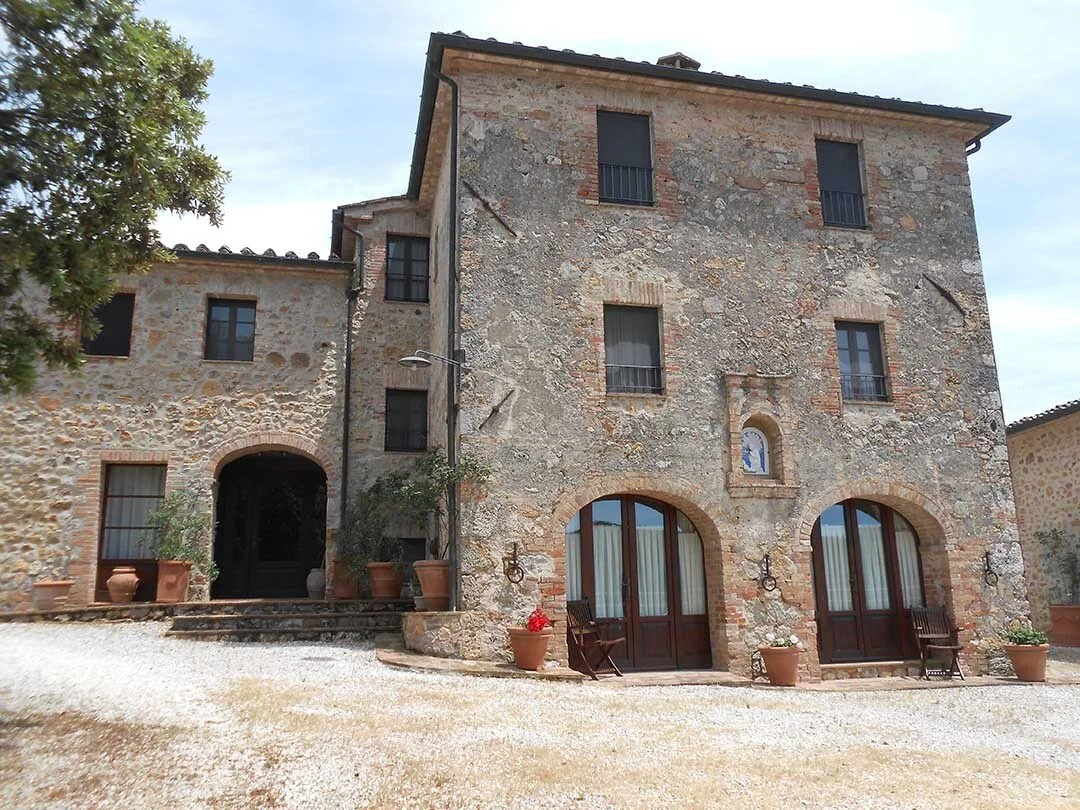
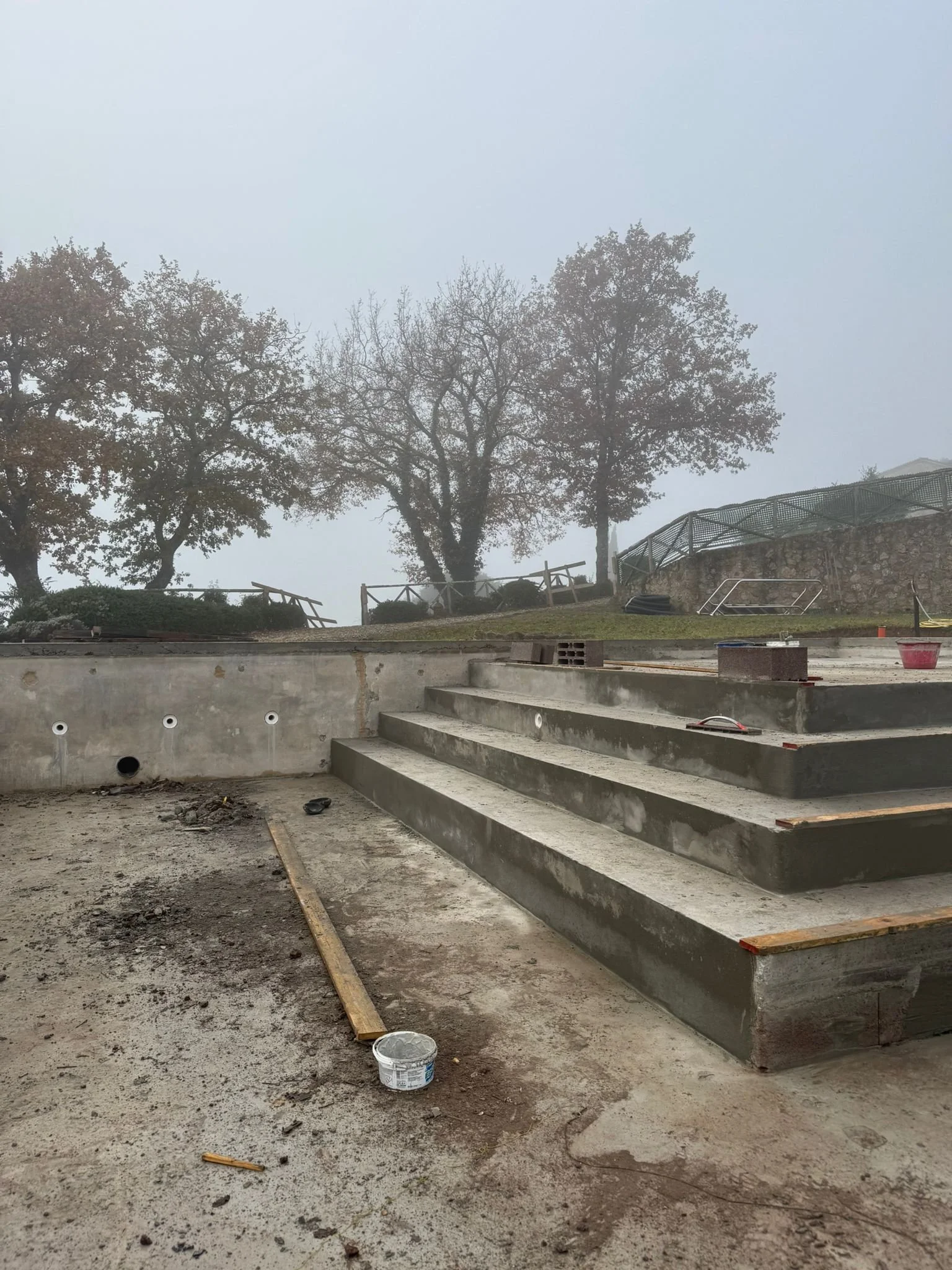
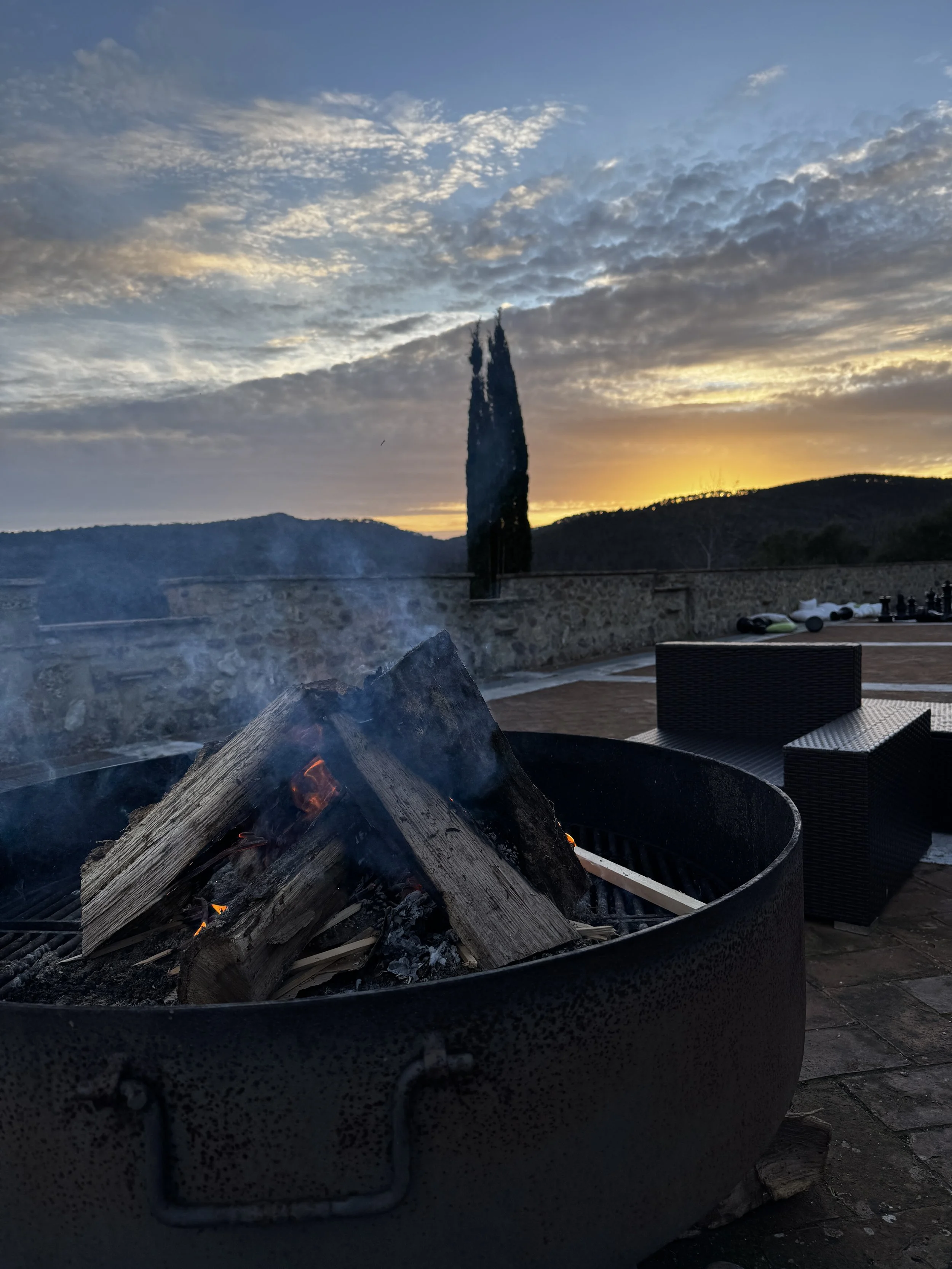
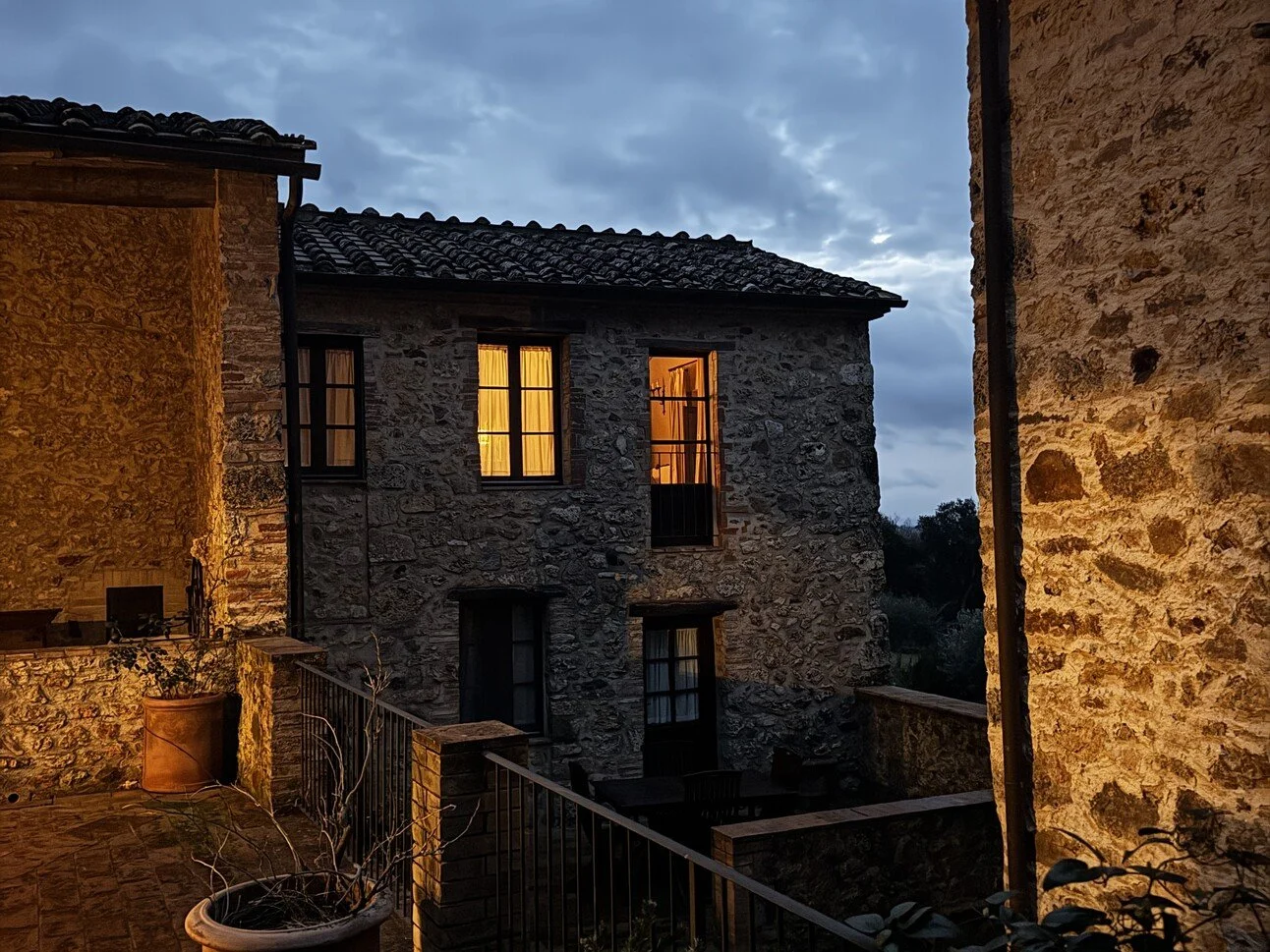
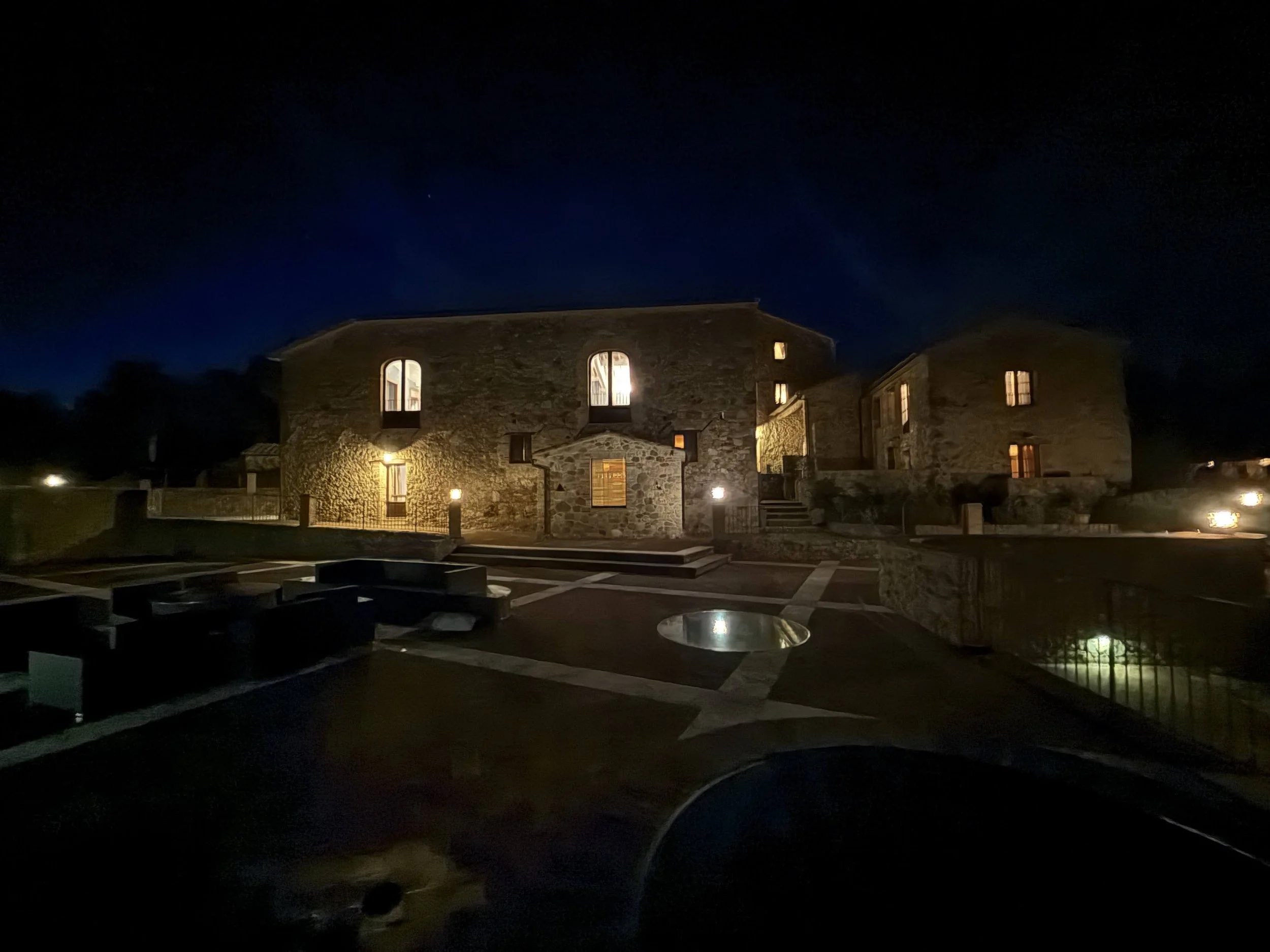
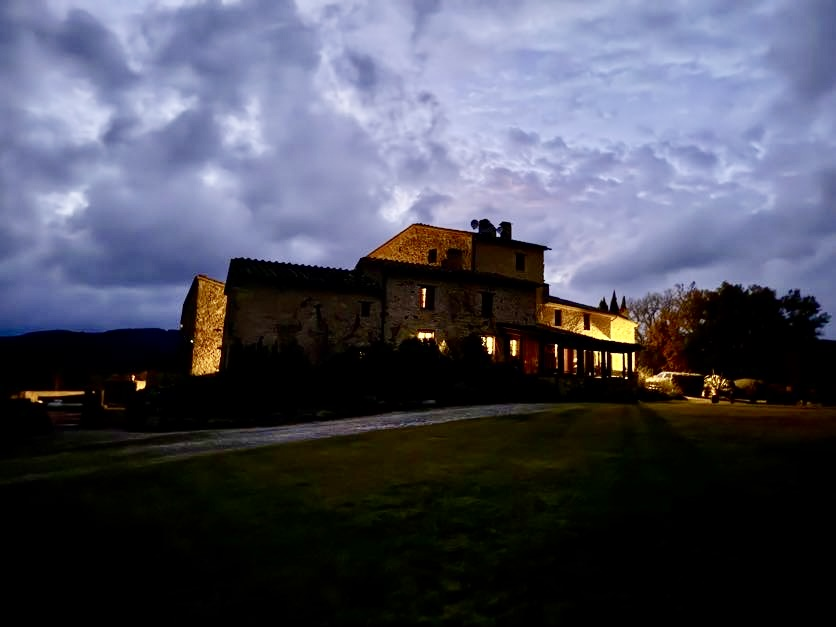

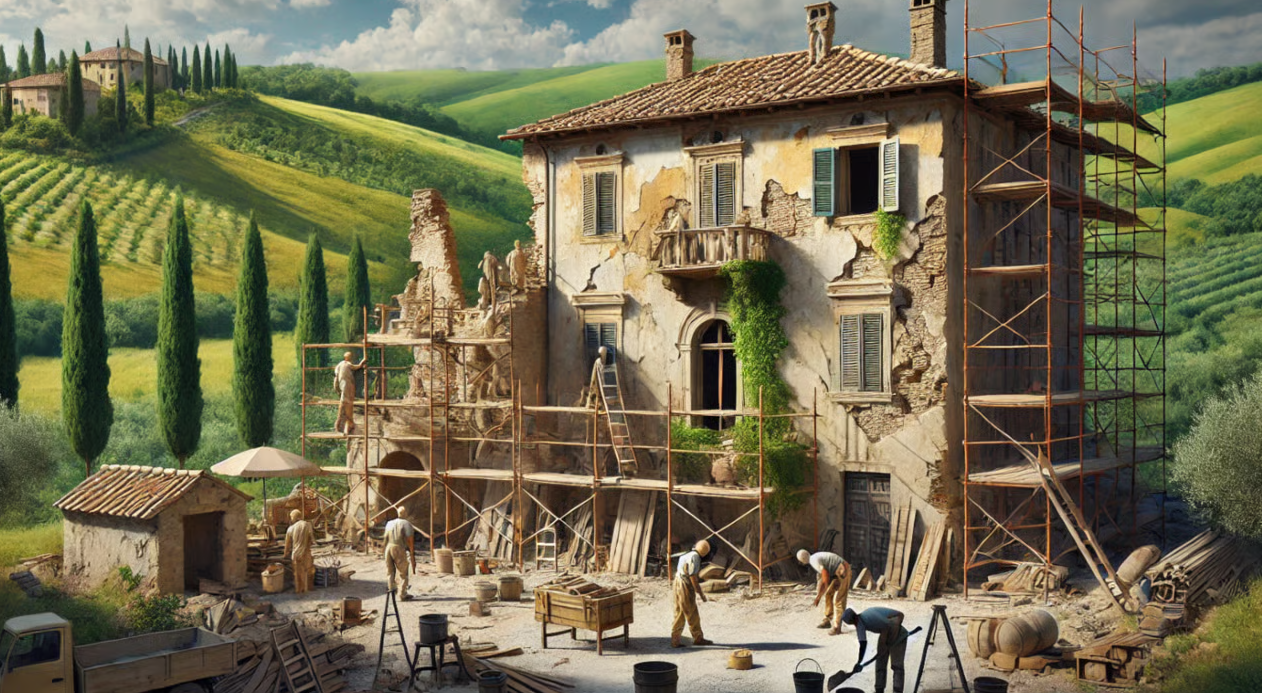
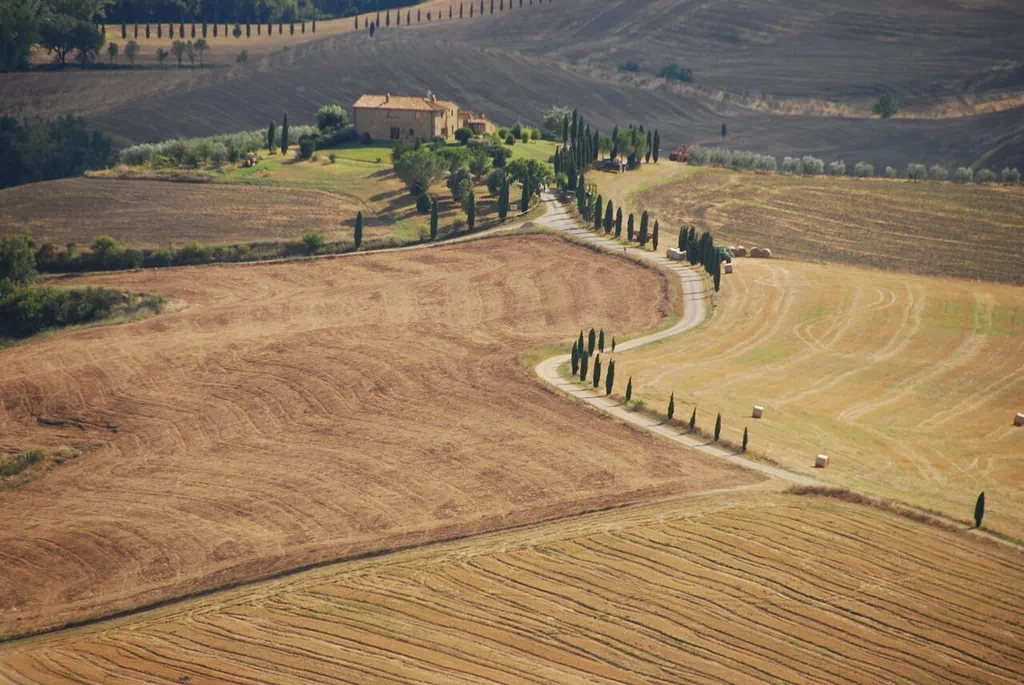
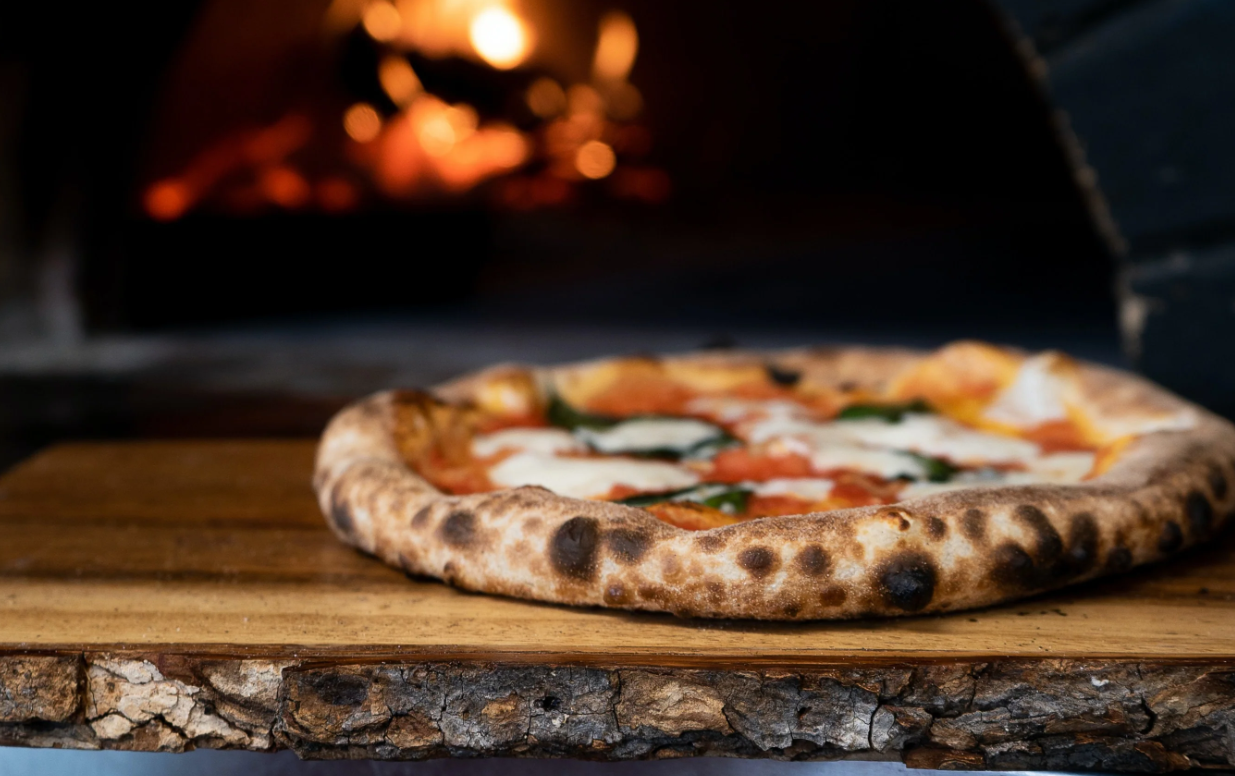
Today is July 31, 2026, one year after beginning the real process of renovation on our borgo. We came to Tuscany with the idea to build something new.
Before we began this project, we visited the Chianti region and attended a really excellent dinner at Macellaria Cecchini, a restaurant where every single course was made of meat. The wine was flowing, and
We were hoping for an early Christmas present from the municipality approving our renovation plans but the technician that had just started last month and was almost done reviewing and approving our project quit, or was transferred, or let go. We just know he’s no longer there and so
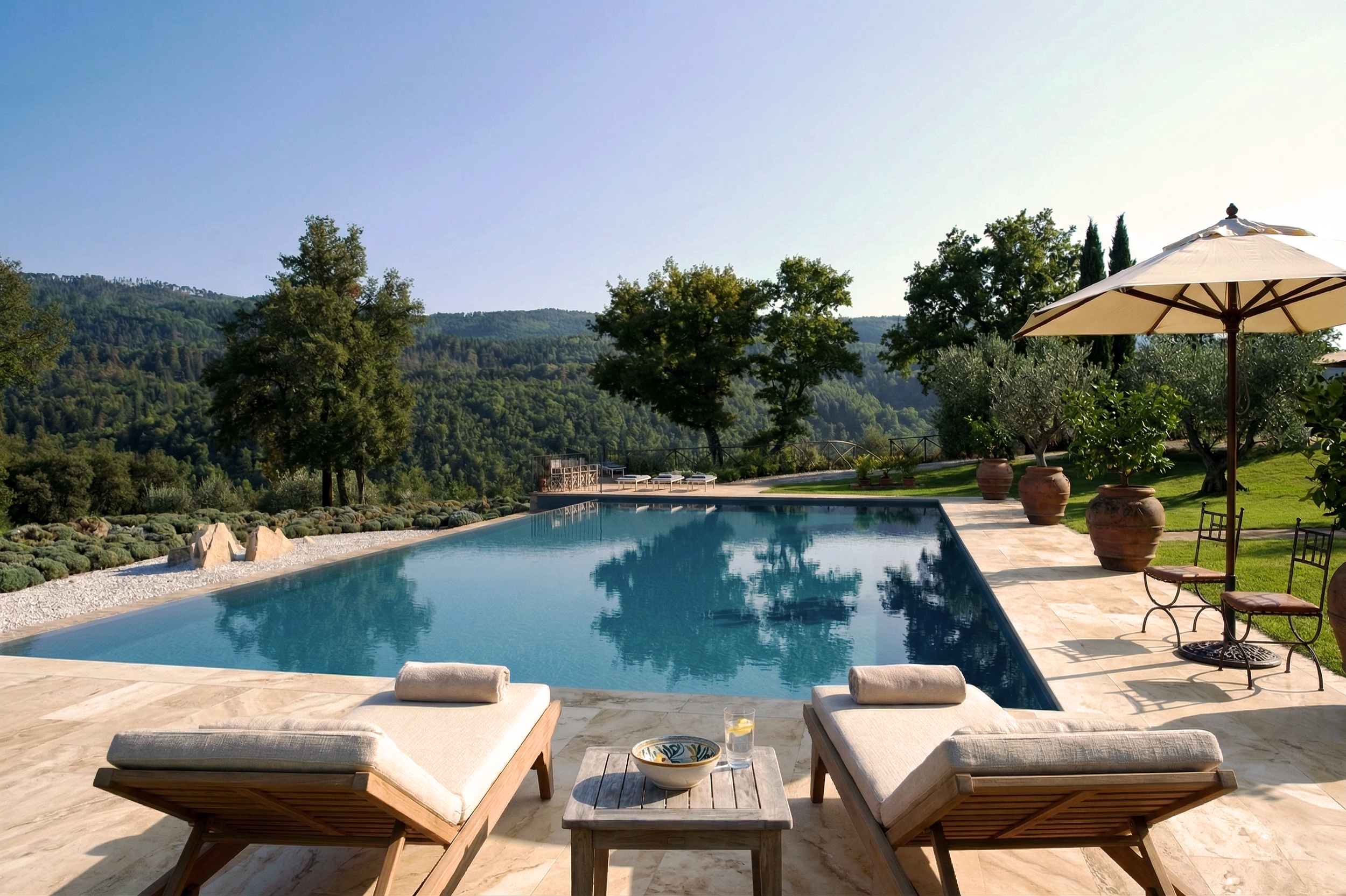
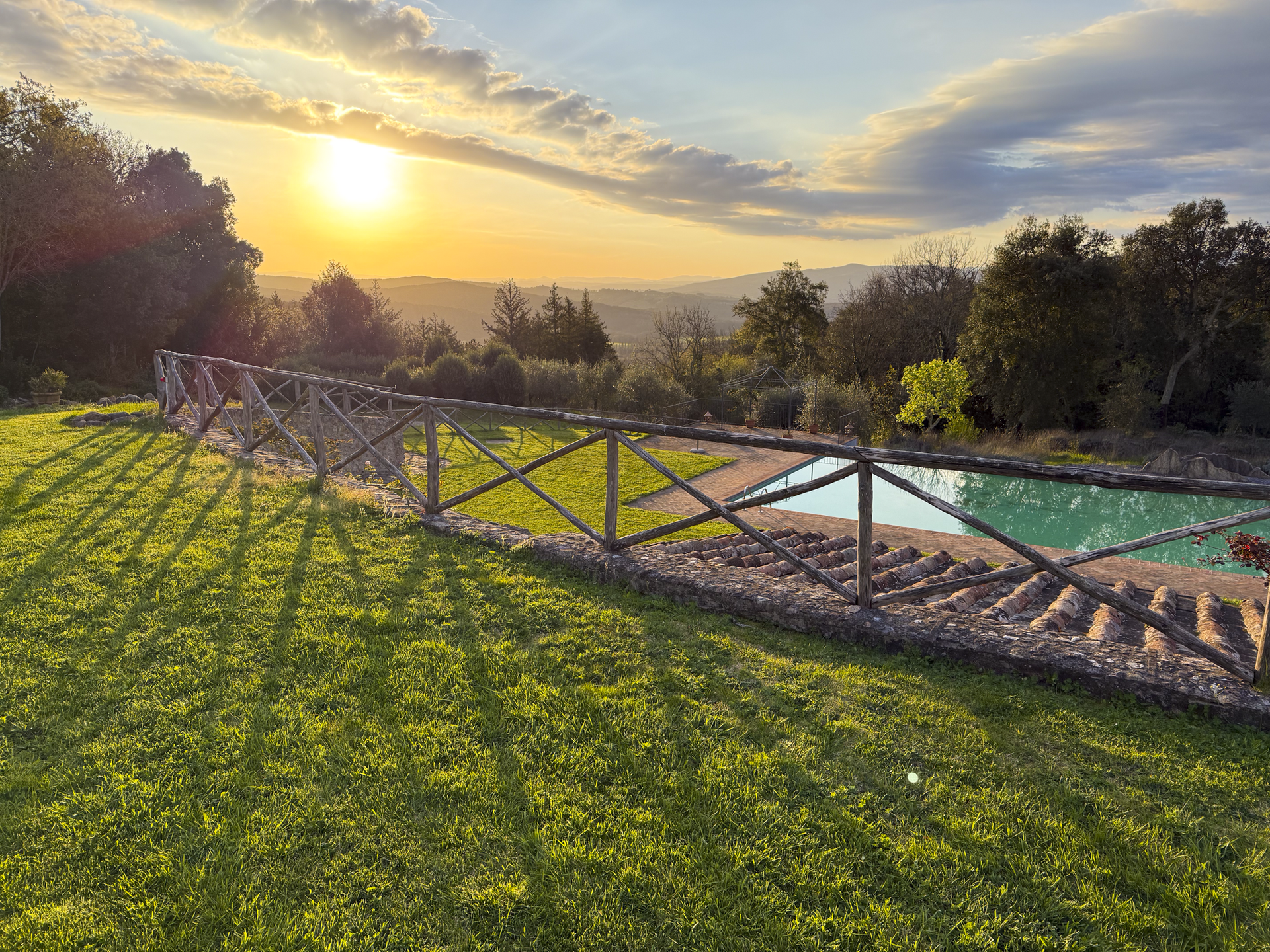
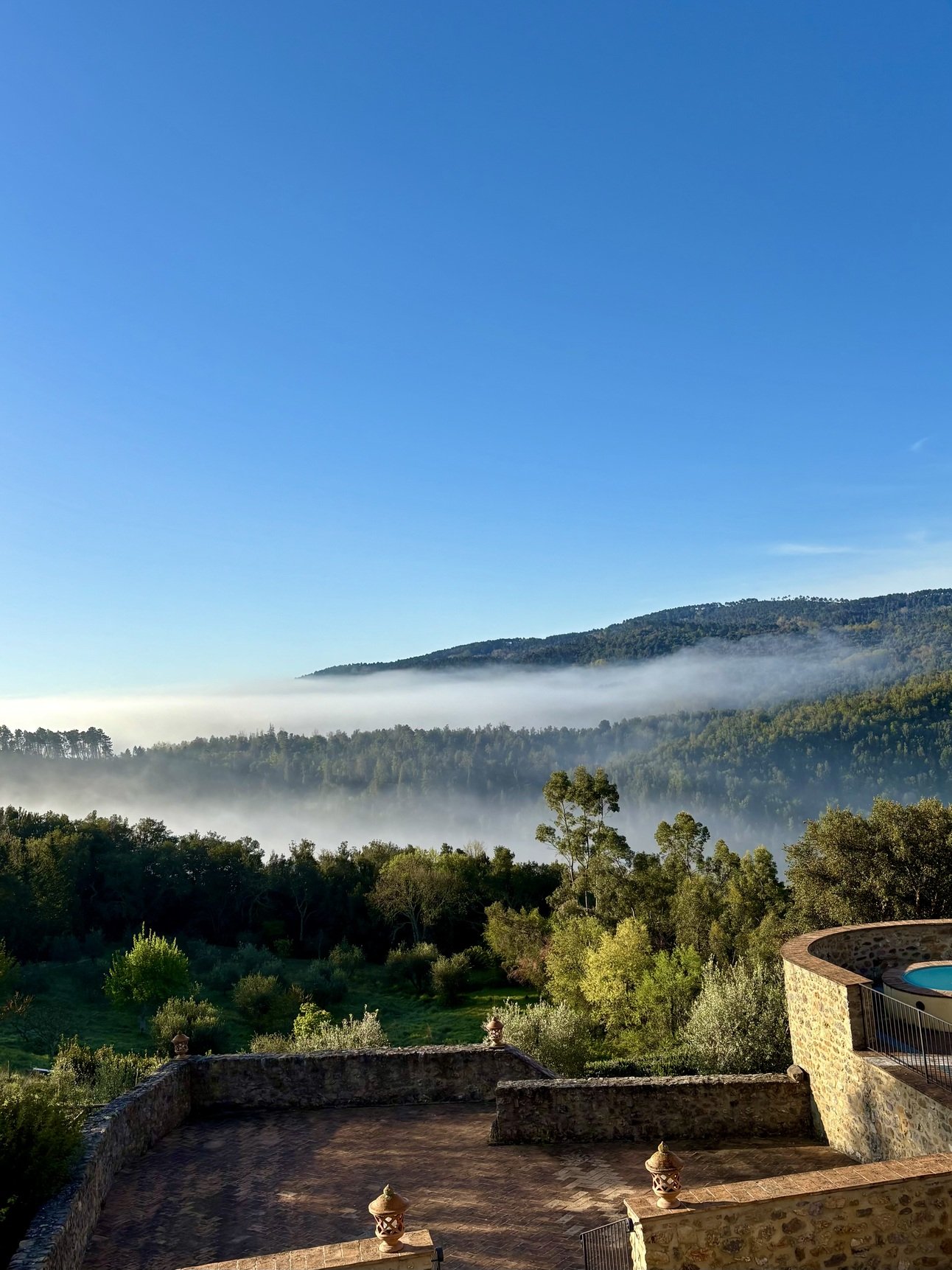
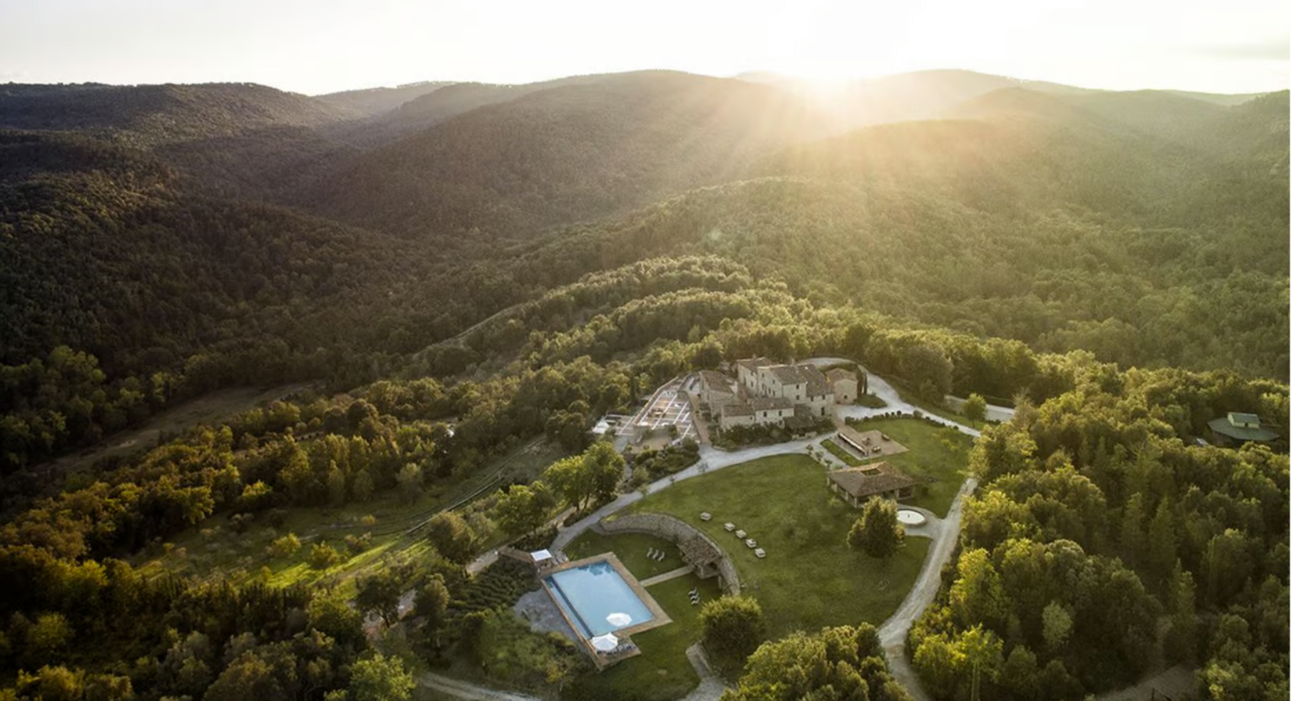
A picture is worth a thousand words, but the sunrise over our beautiful pool doesn’t quite convey the worry that we may never actually start construction on the main buildings. As we all were warned by everyone before beginning this project, Italian bureaucracy is a complex and intricate system.
The retrospective planning application for Villa renovations was submitted back in May and they have been grinding through Italian bureaucracy. We hired a builder, finished the renovation plans with our architect but
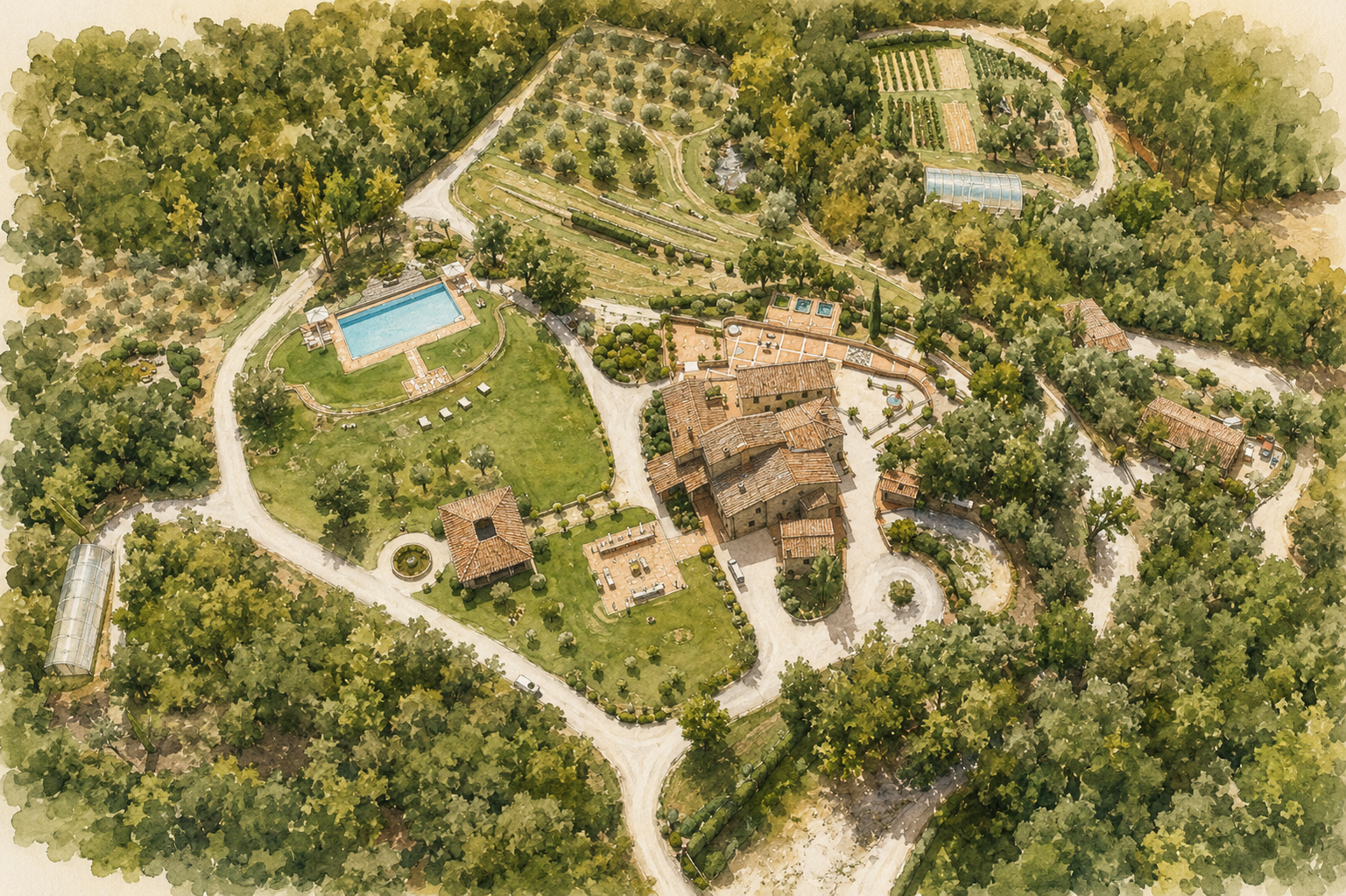
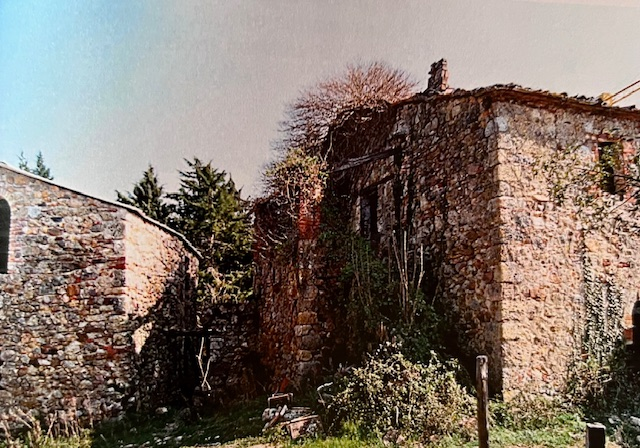
We’ve been very curious about the history of Borgo Santolina but had little information. This summer, our team did some research to document what’s happened over the centuries. Here is what they learned…
We’ve decided on a name and thank you to everyone that shared your votes, ideas and opinions. As with everything, this took much longer than expected. Each time we all agreed on a name and started the paperwork process, something would come up and it wouldn’t work.
We asked you all about your pet peeves in the hotel world, so we could see if we aligned on what we assume are the challenges to overcome. I give everyone who responded five stars, because your answers were exactly what we were hoping to hear—that is to say, your pet peeves are our pet peeves too.
It turns out that when you tell someone, “We are bought a villa in Tuscany to turn into a hotel,” everyone has a different idea of what that means. To some, ‘a villa in Tuscany’ means a relaxed B&B. To others, ‘a villa in Tuscany’ means gutting the inside of a historical building to turn it into a modern luxury hot
It was now early January, and while we were meant to close on January 21st, everything seemed very uncertain. We were trying to untangle the question of the sale opposition, which required a lot of talking. Talking to the judge who was responsible for approving the sale, talking to the notaio, talking to the auctioneer, talking to the sellers, and anyone else who was remotely involved in order to clear up the entangled legal mess i
We didn’t know what the opposition was yet. We did not know if we were going to be able to buy the property. But we were assured that if we did not complete all of the tasks on the list before our 60 days were up, that we definitely would not be able to buy our property. So we had to get started on the list, no matter what.
If one thing has been made clear in this process, it is that we all cannot wait to be fluent in Italian. Everyone with whom we have worked so far has been incredible with their ability to speak Italian and English, but with what I call “the peculiar intricacies of Italian bureaucracies” that others have referred to as “Hell, but in
Once we realized that we would not be getting our Chianti hamlet, we restarted our Internet search to review every property we had ever looked at updating our search spreadsheet. Now we reviewed properties with new eyes, clicking through every picture and measuring every distance from a small, picturesque town, on the off chance that we had thrown out some diamond in the rough.
Things heated up this summer with our search for the perfect Italian Agriturismo. In the last update, I shared our three top properties. But didn’t reveal we had made an offer and were under contract on the 2nd one. At the time I was writing the last update, things were starting to go sideways so I held off the details until we knew what was going to happen.
Summer is already over and after a couple trips back to Italy since the last update, we have some possibilities to share from our search.